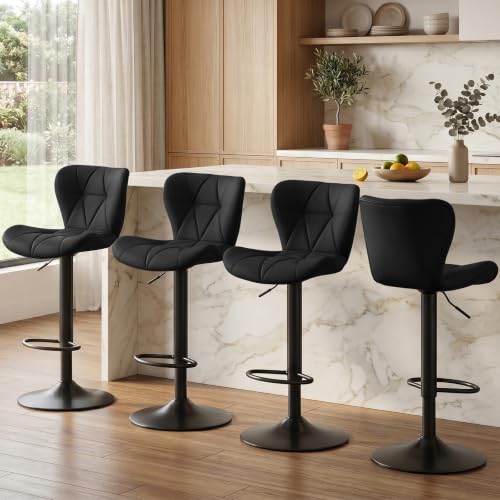
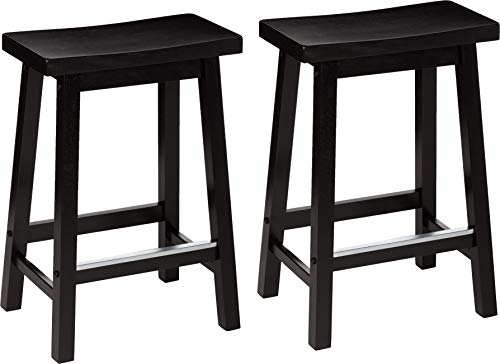
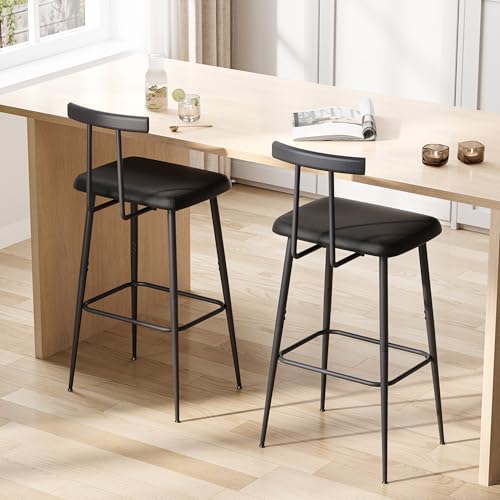
Your Complete Guide to Wooden Bar Stools with Backs and Arms
Wooden bar stools with backs and arms are more than just seating — they are an investment in comfort, style, and the overall ambiance of your home. Whether you are furnishing a kitchen island with stools with backs and arms or creating a cozy corner in a home bar, these stools offer the perfect balance of form and function. In this guide, we'll walk you through everything you need to know, from choosing the right height and wood type to understanding the construction details that ensure long-lasting quality.
1. Understanding the Right Height
One of the most critical factors in choosing bar stools is getting the height right. The standard rule is to leave about 9–13 inches of legroom between the seat and the underside of your counter or table.
- Counter Height (24–26 inch seat): Ideal for standard 36-inch high kitchen counters. This is the most common size for kitchen islands.
- Bar Height (28–30 inch seat): Perfect for home bar setups or pub tables that are around 40–42 inches tall.
- Extra Tall (30+ inch seat): Used for commercial bars or specialty high-top tables that are 44 inches or taller.
To ensure you select the correct height, measure the distance from the floor to the underside of your counter. Subtract 10 inches to get the ideal seat height. For instance, if you have a 36-inch counter, your stool seat height should be around 26 inches. For a 42-inch bar, you'll need a stool height of about 30 inches.
2. Selecting the Best Wood Type
The wood you choose significantly impacts the look, feel, and durability of your stools. Here are the most popular options:
- Oak: Known for its strength and prominent grain patterns, oak is a classic choice that takes stains well and offers a timeless look.
- Walnut: Featuring a rich, dark chocolate color, walnut is luxurious and sophisticated. It's slightly softer than oak but offers a stunning, premium finish.
- Teak: Naturally water-resistant and incredibly durable, teak is the top choice for outdoor or high-moisture areas. It also develops a beautiful silver-gray patina over time if left untreated.
- Rubberwood: A sustainable and cost-effective option, rubberwood is light in color, takes stains well, and is surprisingly strong, making it great for budget-conscious buyers.
When choosing, consider both the aesthetic you desire and the environmental conditions of your space. For a rustic farmhouse feel, oak or rubberwood with a matte finish is ideal. For a modern or mid-century look, walnut with a clear satin finish is a popular choice.
3. Construction: Solid Wood vs. Veneers
There's a significant difference between solid wood stools and those made with wood veneers. Solid wood stools are built from a single piece of lumber, offering unmatched durability and the ability to be refinished multiple times. They are heavier, more stable, and provide the best value in the long run. Veneer stools have a thin layer of quality wood over a less expensive core, such as plywood or MDF. While they can look beautiful initially, they are less durable and cannot be sanded or refinished. For a high-traffic area like a kitchen island, solid wood is always the better investment.
4. The Importance of Back and Arm Design
The design of the back and arms plays a crucial role in both aesthetics and ergonomics.
- Full Back: Provides maximum lumbar support and a traditional, substantial look. Perfect for long meals or workspaces.
- Slat Back: Offers a lighter, more open feel while still providing good support. This style is common in farmhouse and coastal designs.
- Curved Arms: Enhance comfort and visual appeal, adding a touch of elegance to the stool. Look for rounded or sculpted armrests for the best ergonomic experience.
When choosing, consider the size of your space. High outdoor bar stools with backs may feature more open slats for airflow, while indoor stools often have upholstered backs for extra plushness.
5. Style and Finish Options
The finish and style of your wooden stools should complement your existing decor. Here are some popular directions:
- Natural/Untreated: Showcases the wood's natural grain and color. Best for minimalist or Scandinavian-style spaces.
- Stained: Available in a vast spectrum from light (e.g., natural oak) to dark (e.g., espresso or walnut). Staining adds richness and can hide minor imperfections.
- Painted: White, black, or custom-colored stools can create a striking contrast or fit seamlessly into a specific color palette.
- Distressed/Vintage: Features intentional marks and finishes that create a rustic, old-world charm.
For a cohesive look, match the finish of your stools with other wooden elements in the room, such as your dining room pub table and chairs or kitchen cabinetry. However, don't be afraid to mix materials, like combining wooden stools with metal legs for an industrial touch.
6. Maintenance and Care
Wooden bar stools are relatively easy to maintain, but they do require some care to keep them looking their best. Here are some quick tips:
- Regular Dusting: Use a soft, dry cloth to remove dust and debris regularly.
- Deep Cleaning: Use a mild wood cleaner or a damp cloth with a drop of dish soap. Wipe dry immediately to prevent water damage.
- Polishing: Apply a quality furniture polish or wax every few months to protect the finish and maintain its sheen.
- Protection: Use felt pads under the stool legs to prevent scratches on your floor. Consider a protective cover if used in high-sun areas to prevent fading.
If you plan to use your stools outdoors, look for weather-resistant teak or treated wood and apply a UV-protective sealant annually.
7. Budget and Pricing Expectations
The cost of wooden bar stools with backs and arms can vary widely based on materials, construction, and brand. Generally, you can expect:
- Budget-Friendly (Under $200 per stool): Usually made from rubberwood, pine, or veneer over particle board. Good for occasional use or guest areas.
- Mid-Range ($200–$600 per stool): Crafted from solid oak, maple, or birch. These offer a good balance of durability and design and are suitable for everyday use.
- Premium ($600+ per stool): Made from solid walnut, teak, or cherry wood with intricate joinery and premium finishes. These are heirloom-quality pieces that will last a lifetime.
For the best value, consider the long-term cost per use. A durable, solid wood stool might have a higher upfront cost but will save you money in the long run compared to cheaper alternatives that need replacing every few years. To save money, you can also consider purchasing a set of 4 wooden bar stools which often offers a better price per unit.
By understanding these key factors, you can confidently choose wooden bar stools with backs and arms that not only look beautiful but also provide years of comfortable seating for you, your family, and your guests.