
Complete Stool Recovering Guide
Renew your old bar stools with new fabric, leather, or vinyl. Learn about materials, costs, and step-by-step DIY techniques to transform your seating.
Why Recover Your Bar Stools?
Stool recovering is one of the most cost-effective ways to breathe new life into your bar seating. Whether your stools have worn-out fabric, outdated colors, or simply don't match your new decor, reupholstering allows you to customize the look without buying new furniture. Recovering is also an eco-friendly choice, extending the life of quality frames and reducing waste.
Before you start, consider the condition of your stool frames. If the structure is sound, recovering is an excellent DIY project. For stools with damaged cushions or springs, you may also need to address cushion repairs before recovering.
Materials & Cost Guide
The total cost of stool recovering depends on the material you choose and whether you do it yourself or hire a professional. Below is a breakdown of the most common upholstery materials, their characteristics, and estimated price ranges.
Fabric
Durable, wide variety of colors and patterns. Suitable for indoor stools.
$8–$20 per yardLeather
Premium look, ages beautifully, highly durable. Requires conditioning.
$25–$60 per sq. ft.Vinyl
Water-resistant, easy to clean, great for kitchen and outdoor stools.
$10–$25 per yardFaux Leather
Affordable leather alternative, easy maintenance, good durability.
$12–$30 per yardVelvet
Luxurious texture, rich colors, ideal for formal or glam settings.
$15–$35 per yardEstimated Total Cost per Stool (DIY): $15–$50 (materials only)
Professional Reupholstery: $50–$150 per stool (labor + materials)
Average Time per Stool: 2–4 hours for beginners
💡 Tip: For high-quality leather stools, consider using genuine leather hides. While more expensive, they offer superior durability and a timeless look that can last decades with proper leather stool conditioning.
DIY Stool Recovering: Step-by-Step Guide
Recovering a stool is a satisfying project that doesn't require advanced skills. With basic tools and patience, you can achieve professional results. Follow these steps to reupholster your bar stools.
Tools You'll Need
- Staple gun (electric or manual) with 1/4″ or 3/8″ staples
- Screwdriver (flathead and Phillips)
- Pliers (for removing old staples)
- Scissors or utility knife
- Measuring tape
- Fabric (enough to cover the seat with extra for wrapping)
- Batting or foam (if replacing cushion padding)
- Spray adhesive (optional, for foam attachment)
Step-by-Step Process
- Remove the seat: Unscrew the seat from the stool base. Keep screws organized in a small container.
- Strip old fabric: Use pliers and a flathead screwdriver to remove old staples and fabric. If the foam is worn, replace it now.
- Cut new fabric: Measure the seat diameter or dimensions, then cut fabric with at least 4–6 inches of extra on each side for wrapping.
- Attach batting (optional): If adding new foam, cut it slightly larger than the seat and attach with spray adhesive.
- Position fabric: Lay the fabric face-down, place the seat on top centered, and pull the fabric tight over the edges.
- Staple fabric: Starting from the center of each side, staple the fabric, pulling taut. Work outward, alternating sides to avoid wrinkles.
- Fold corners: For square or rectangular seats, fold corners neatly like wrapping a gift. Staple securely.
- Trim excess fabric: Cut away extra material, leaving about 1 inch beyond the staples for a clean finish.
- Reattach seat: Screw the recovered seat back onto the stool base. Tighten evenly.
🛠️ Pro Tip: When pulling fabric, work systematically from opposite sides to keep tension even. For round seats, create small pleats evenly around the curve to avoid puckering. If you're recovering padded seat stools, add an extra layer of batting for a plush feel.
For stools with unique shapes or complex designs, you might want to explore DIY stool slipcovers as an alternative, which are easier to remove and wash.
Recover vs. Replace: What's Best?
Not all stools are worth recovering. Here's how to decide:
- Recover if: The frame is solid, the stool has sentimental value, or you want a custom color/pattern.
- Replace if: The frame is wobbly, rusted, or cracked; the cost of new upholstery exceeds the stool's value; or you want a completely different style.
If you decide to replace, check out our bar stool types guide to find the perfect new seating. For high-traffic areas, consider heavy duty bar stools for long-lasting durability.
Recovering is also a great way to update kitchen counter stools or pub height stools without replacing the entire set, especially if you have multiple matching stools.
When to Hire a Professional
While many stools can be recovered at home, some situations call for professional help. Consider hiring an upholsterer if:
- Your stools have intricate button-tufting, nailhead trim, or curved frames.
- You're working with expensive leather or delicate fabrics.
- You have multiple stools and limited time.
- The seat cushions require rebuilding or new spring work.
Professional reupholstery typically costs $50–$150 per stool and includes expert finishing. Before hiring, ask for samples and check reviews. Many local upholsterers also offer stool protectants and stain-resistant treatments.
For those who enjoy a challenge, recovering can be a rewarding weekend project. If you're new to DIY, start with a single stool and practice on a less visible piece first.
Caring for Your Recovered Stools
To extend the life of your newly recovered stools, follow these care tips:
- Vacuum fabric regularly to remove dust and crumbs.
- Clean spills immediately with a damp cloth and mild soap.
- Rotate stool cushions periodically to distribute wear.
- For leather or vinyl, use appropriate stool protectants to prevent cracking and fading.
- Avoid placing stools in direct sunlight to prevent fading, especially for preventing sun damage.
Regular maintenance keeps your stools looking fresh and reduces the need for frequent recovering. If you have pets, consider pet-friendly protection options.
Eco-Friendly & Sustainable Stool Recovering
Recovering is inherently sustainable because it extends the life of existing furniture. You can make it even greener by choosing sustainable stool materials like organic cotton, hemp, or recycled fabric. For an eco-conscious approach, look for:
- Natural fibers: Linen, hemp, and organic cotton are biodegradable and renewable.
- Recycled materials: Some fabrics are made from recycled plastic bottles or post-industrial waste.
- Low-VOC adhesives: Choose water-based adhesives to reduce indoor air pollution.
You can also explore upcycled stool ideas for creative ways to repurpose old materials, such as using vintage rugs or denim for a unique look.
Using natural stool cleaners further supports an eco-friendly approach, keeping your recovered stools fresh without harsh chemicals.
Best Stool Recovering Materials & Tools
⚠️ AFFILIATE DISCLOSURE: This website contains affiliate links. As an affiliate Associate, we earn from qualifying purchases. If you make a purchase through these links, we may receive a small commission at no additional cost to you. Read our full affiliate policy.

BWPURWDFH Folding Lightweight Commode Folding Commode Toilet Seat Commode, WC Chair, Toilet Chair for Disabled and Seniors, Non Slip Rubber Tips, Lightweight

FURWOO Oval Rolling Stool Height Adjustable Massage Chair with Wheels for Spa Salon Black

FURWOO Low Roller Seat PU Leather Rolling Stool with Wheels for Manicure, Mechanic,Home Office, Garage Shop Black

Stools and Bottles: A Study of Character Defects

FURWOO Oval Rolling Stool Height Adjustable Massage Chair with Wheels for Spa Salon White
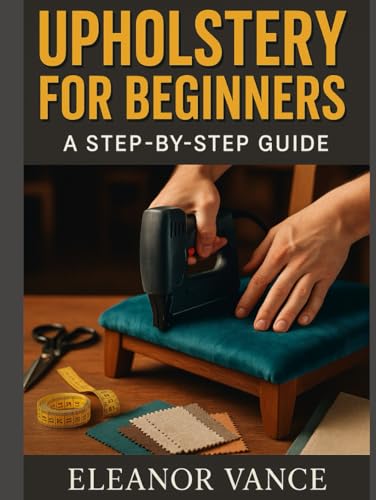
UPHOLSTERY FOR BEGINNERS: Strip, Repair, and Recover Dining Chairs, Stools, and Headboards at Home

Step Stool with Handle for Elderly Adults, Adjustable Handrai | Non Skid Platform, Stepping Stool for High Bed Mobility & Daily Living Aids, Car Step Stool for Elderly 350lbs, 8.7" × 7.87"

A&A Rolling/Scoot Stool | Comfortable | Heavy-Duty/Sturdy | 360 Degree Rotating | Low to Ground Acubest (1)
Ready to Transform Your Stools?
Browse our recommended materials and tools to start your stool recovering project today.
Shop Recovering Supplies